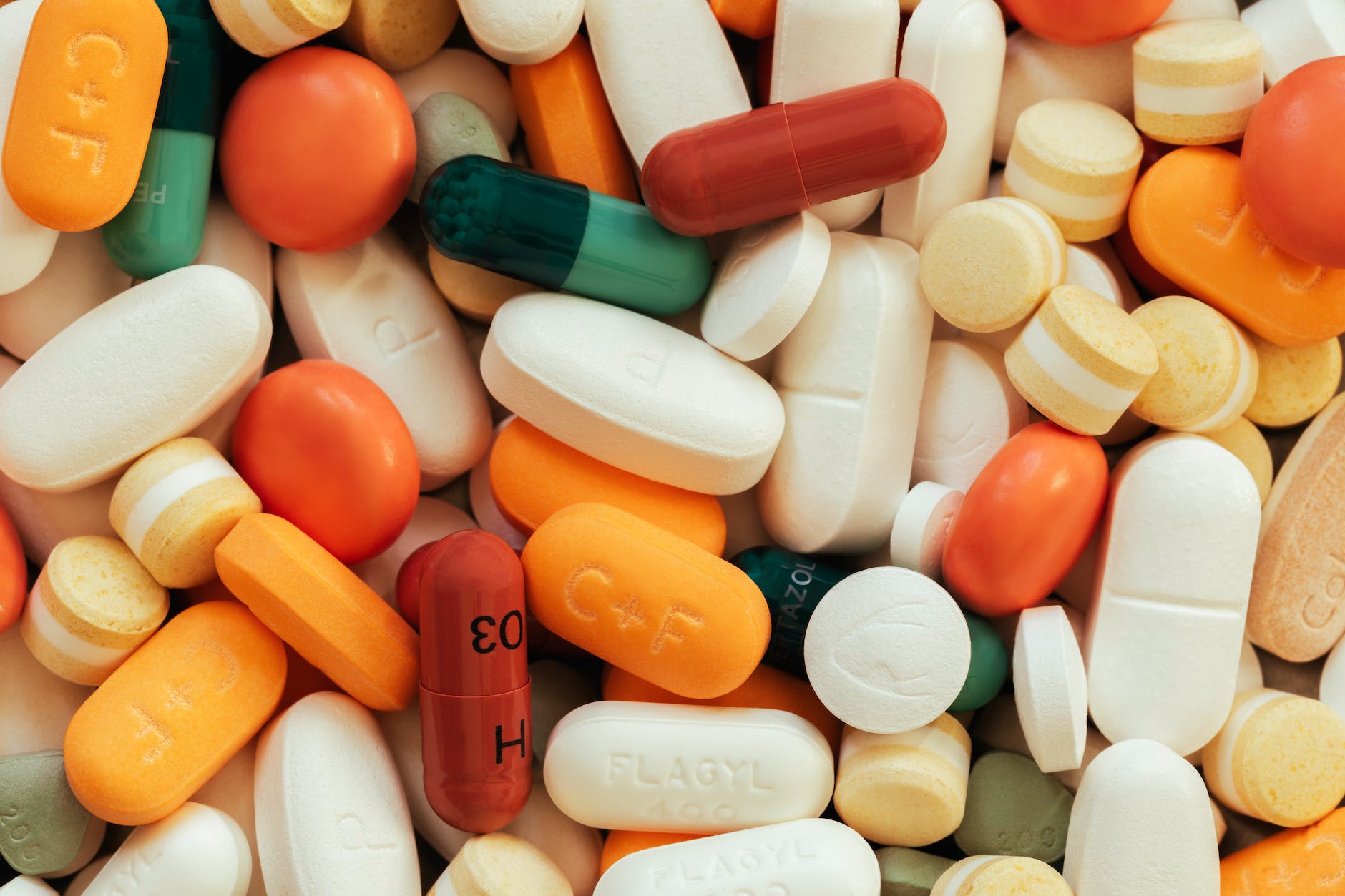
When I was a little kid my mom made me take (drink) cod liver oil every day. It was administered by pouring it onto a big spoon. It tasted terrible. I used it to wash down the liver pill supplement she also administered. She had started a ritual of taking a variety of vitamins and I came along for the ride. Her health had started to fail after receiving a misdiagnosis of a thyroid condition so she started studying up on ways to improve her health through more natural means. She was understandably wary of doctors at that point and wanted other options. Her “Bible” for all things health related was Prevention magazine. I remember issues scattered throughout the apartment. In hindsight it may have been a factor in my young athletic prowess…or not. I would like to think there was some benefit to taking that nasty stuff all those years! I know she had several prescriptions see took too. Again, mainly because of her thyroid. It was always a battle to juggle the budget to pay for those lifesaving pills and vitamins were cheap in comparison. As I watch TV now days I wonder how anyone survives without drugs to battle issues I was unaware of or just didn’t comprehend the number of people affected, that is until commercials educated me. Out of curiosity, I decided to ask Google Bard.
Here are the 10 most advertised prescription drugs currently in the US, based on ad spend:
| Rank | Drug | Marketing Budget (USD) | Treats | Percent of US Population Affected | Average Prescription Cost |
|---|---|---|---|---|---|
| 1 | Dupixent | $287 million | Atopic dermatitis, asthma, and chronic rhinosinusitis with nasal polyps. | 16.5 million | $3,700 |
| 2 | Rybelsus | $225 million | Type 2 diabetes. | 30 million | $1,000 |
| 3 | Humira | $176 million | Rheumatoid arthritis, plaque psoriasis, ankylosing spondylitis, Crohn’s disease, ulcerative colitis, hidradenitis suppurativa, and juvenile idiopathic arthritis. | 2.1 million | $4,500 |
| 4 | Ozempic | $150 million | Type 2 diabetes. | 30 million | $1,300 |
| 5 | Jardiance | $125 million | Type 2 diabetes. | 30 million | $1,200 |
| 6 | Trulicity | $120 million | Type 2 diabetes. | 30 million | $1,300 |
| 7 | Cosentyx | $110 million | Psoriasis, plaque psoriasis, psoriatic arthritis, ankylosing spondylitis, and Crohn’s disease. | 7.5 million | $3,500 |
| 8 | Xeljanz | $100 million | Rheumatoid arthritis, plaque psoriasis, and ulcerative colitis. | 1.5 million | $4,000 |
| 9 | Gilenya | $90 million | Multiple sclerosis. | 400,000 | $7,000 |
| 10 | Chantix | $85 million | Smoking cessation. | 15% | $400 |
“It is important to note that these figures only represent the marketing budgets for direct-to-consumer (DTC) advertising. Drug companies also spend significant amounts of money on marketing to doctors and other healthcare professionals.
DTC advertising is a controversial practice, with some people arguing that it can lead to people over-prescribing medications. However, drug companies argue that DTC advertising can help people learn about their conditions and treatment options.
The percent of the US population affected by each specific illness varies depending on the illness. Some of the illnesses listed above are relatively common, while others are more rare. It is important to talk to your doctor about your individual risk factors for any of these illnesses.
The average prescription cost for each drug listed above is based on data from GoodRx.com. The actual cost of a prescription may vary depending on your insurance coverage and the pharmacy you use.
It is important to note that the cost of prescription drugs can be a significant financial burden for many people. If you are struggling to afford your medications, there are resources available to help you. You can talk to your doctor about financial assistance programs or contact the manufacturer of your medication to see if they offer any discounts.”
I decided to see what Bard would say about vitamin supplements.
Here are the 10 most advertised vitamin supplements currently in the US, based on ad spend:
| Rank | Vitamin Supplement | Marketing Budget (USD) | Treats | Percent of US Population Affected | Average Cost |
|---|---|---|---|---|---|
| 1 | Centrum Silver | $100 million | General health and wellness. | 100% | $15 |
| 2 | Nature Made Multivitamin | $80 million | General health and wellness. | 100% | $12 |
| 3 | One A Day Women’s Multivitamin | $70 million | General health and wellness for women. | 51% | $10 |
| 4 | Centrum Adults | $60 million | General health and wellness for adults. | 100% | $13 |
| 5 | One A Day Men’s Multivitamin | $50 million | General health and wellness for men. | 49% | $12 |
| 6 | Nature Made Calcium + D | $40 million | Bone health. | 85% | $10 |
| 7 | Centrum Kids | $30 million | General health and wellness for children. | 25% | $8 |
| 8 | Nature Made Vitamin D3 | $20 million | Bone health and immunity. | 85% | $10 |
| 9 | GNC Mega Men | $15 million | General health and wellness for men. | 49% | $15 |
| 10 | GNC Mega Women | $10 million | General health and wellness for women. | 51% | $15 |
“It is important to note that these figures only represent the marketing budgets for direct-to-consumer (DTC) advertising. Vitamin supplement companies also spend significant amounts of money on marketing to doctors and other healthcare professionals.
DTC advertising is a controversial practice, with some people arguing that it can lead to people over-prescribing medications. However, vitamin supplement companies argue that DTC advertising can help people learn about their conditions and treatment options.
The percent of the US population affected by each specific illness varies depending on the illness. Some of the illnesses listed above are relatively common, while others are more rare. It is important to talk to your doctor about your individual risk factors for any of these illnesses.
The average cost for each vitamin supplement listed above is based on data from GoodRx.com. The actual cost of a vitamin supplement may vary depending on your insurance coverage and the pharmacy you use.
It is important to note that the cost of vitamin supplements can be a significant financial burden for many people. If you are struggling to afford your vitamins, there are resources available to help you. You can talk to your doctor about financial assistance programs or contact the manufacturer of your vitamin supplement to see if they offer any discounts.”
If you haven’t tried AI, I recommend you give it a shot. Google Bard is the one I play with and am impressed with what it produces. The drug list didn’t surprise me because of the number of ads I see but the amount of money spent on those ads did. I get the fact if you need medicine you need it, but the cost is crazy! I appreciate not suffering from anything on the prescription list. If I was trying to create a budget and had to factor in those costs my lifestyle would need to change in a big way-and I don’t live extravagantly. I take a fair number of supplements (no cod liver oil-thank you very much!) and feel better because of it. My lab work bares that out too. I do wish my supplements were as inexpensive as those on the supplement list though. I wish you long life and good health and hope your pocketbook always has enough for your meds!
 a life always under construction
Leave a comment